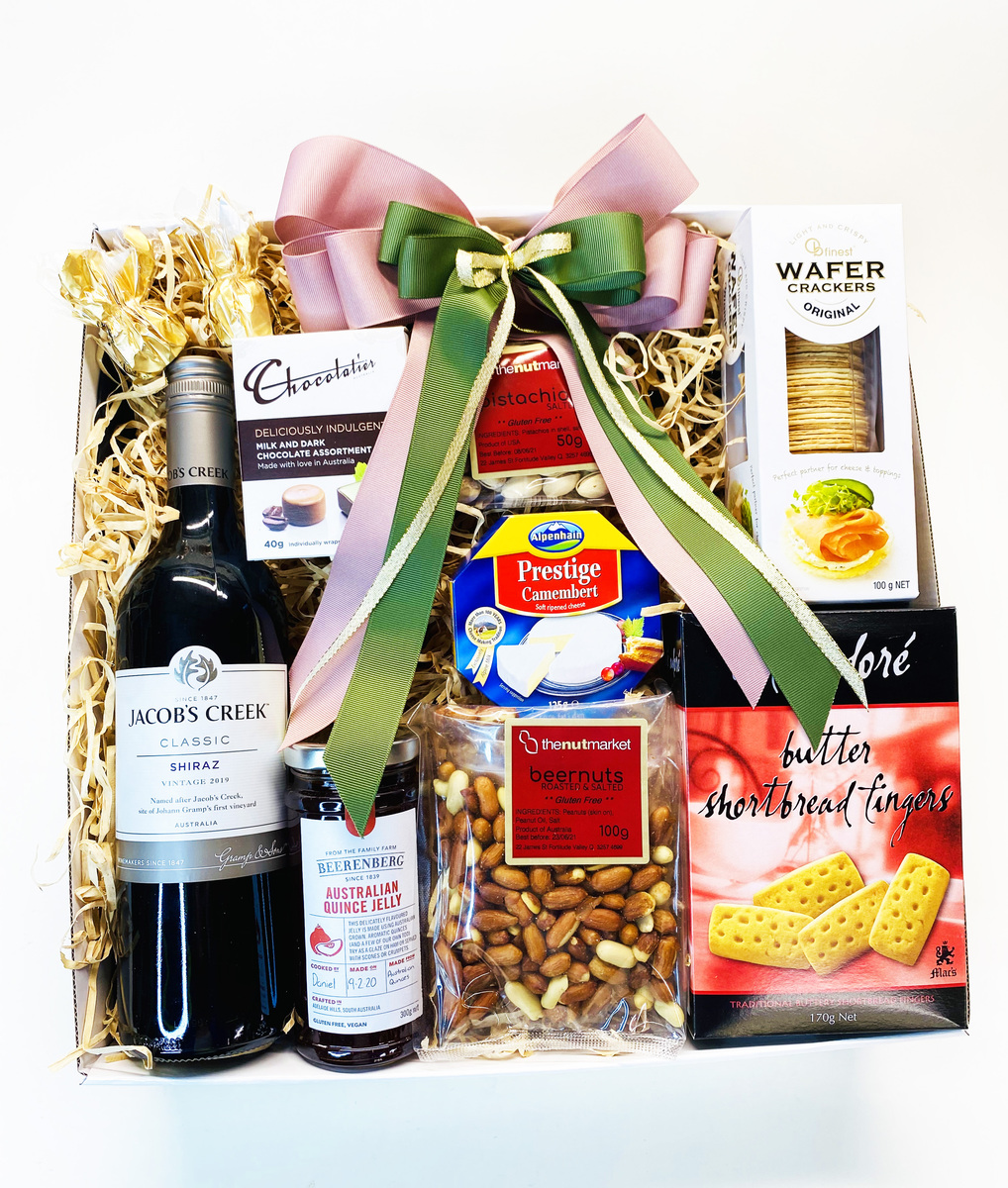
Few gifts feel as luxurious—or as practical—as a hamper brimming with freshly roasted beans, glossy chocolate-covered espresso beans and maybe a cheeky mug that reads “Decaf? No thanks.” Yet walk into any Australian department store in June and you’ll spot dozens of near-identical baskets, each claiming to be “artisan.” The real question is: what gourmet coffee gift baskets Australia use local beans instead of anonymous imports that have more stamps on their passport than your last Contiki tour?
Why Local Beans Matter (and Taste Better)
Shipping green coffee halfway across the planet is a bit like sending a sponge cake to the moon and back—technically possible, but something’s bound to go stale. Australian-grown beans spend less time in transit, which means roasters receive them while their essential oils still hum with life. The result? A cup that tastes more “morning glory on the Atherton Tablelands” and less “cargo-hold chic.”
Local sourcing also slashes food miles, keeps Aussie farmers in business and, frankly, gives you bragging rights at the office Kris Kringle. Who wouldn’t prefer beans from a small paddock in northern New South Wales over a commodity lot that’s been blended in a 20-tonne silo somewhere vaguely labelled “origin”?
From Skybury to Tully: Australia’s Coffee-Growing Hotspots
If you pictured coffee trees swaying next to the Sydney Opera House, it’s time for a geography refresher. Australia’s commercial coffee belt hugs the tropical latitudes of:
- Queensland’s Atherton Tablelands – red basalt soils, 900 m altitude, crisp nights that slow cherry ripening for sweeter beans. Northern NSW hinterland – subtropical rainfall, volcanic ridges, boutique estates such as Zentveld’s and Mountain Top. Far North Queensland (Tully, Mossman, Mareeba) – reliable wet seasons, mechanical harvesting, larger lots for consistent flavour.
These micro-climates give roasters a larder of flavour notes ranging from cacao and honey (Skybury) to citrus and panela sugar (Mareeba). In other words, local doesn’t mean one-note.
How to Spot a Truly Local Basket
Marketing copywriters love the word “local” almost as much as they love “artisan” and “hand-crafted.” Here’s how to separate the spin from the single-origin:
Check the roaster’s address first, not the gift company’s warehouse. If the roaster is within Australia’s growing regions—or partners directly with farmers via transparent pricing—you’re on the right track. Look for estate names on the bag. Generic “Queensland blend” could mean two local beans plus ten imports. Labels that read “Maria’s Farm, Nerada Valley, 1,050 m” are harder to fake. Harvest date or at least a “packed on” stamp. Anything over 12 months old has lost its jazz hands. Accreditation logos such as Australian Grown, Aussie Farmers Direct, or Australian Certified Organic. They’re not fool-proof, but they raise the bar above zero. li8li8/li9li9/li10li10/li11li11/li12li12/li13li13/li14li14/li15li15/li16li16/li17li17/li18li18/li19li19/li20li20/##Store in an airtight container away from the kettle; heat oscillations turn vibrant citrus into cardboard faster than you can say “stale.”
From Bean to Bliss: Why Local Gifts Keep on Giving
Australians spent $1.4 billion on coffee last year, yet fewer than 2 % of those beans were grown here. Choosing a hamper that champions local farms tips the scales back toward our own soil. You’re not just gifting caffeine; you’re giving farmers capital to upgrade drying beds, experiment with new varietals, Browse this site and—let’s be honest—keep the nation’s cafés stocked when the next shipping container apocalypse hits.
So, the next time someone asks what gourmet coffee gift baskets Australia use local beans, hand them this guide, flash a knowing smile, and remind them that great coffee isn’t imported—it’s home-grown. Ready to give a present that tastes like a sunrise over the Atherton Tablelands? Pick a basket, pour a cup, and let the lucky recipient brew their way across Australia, one delicious sip at a time.